
Living Well Through Landscape
Set within the wooded slopes of the Irwell Valley, Porritt Care Village reimagines dementia care through a landscape-led approach that connects residents with nature, family and the wider community
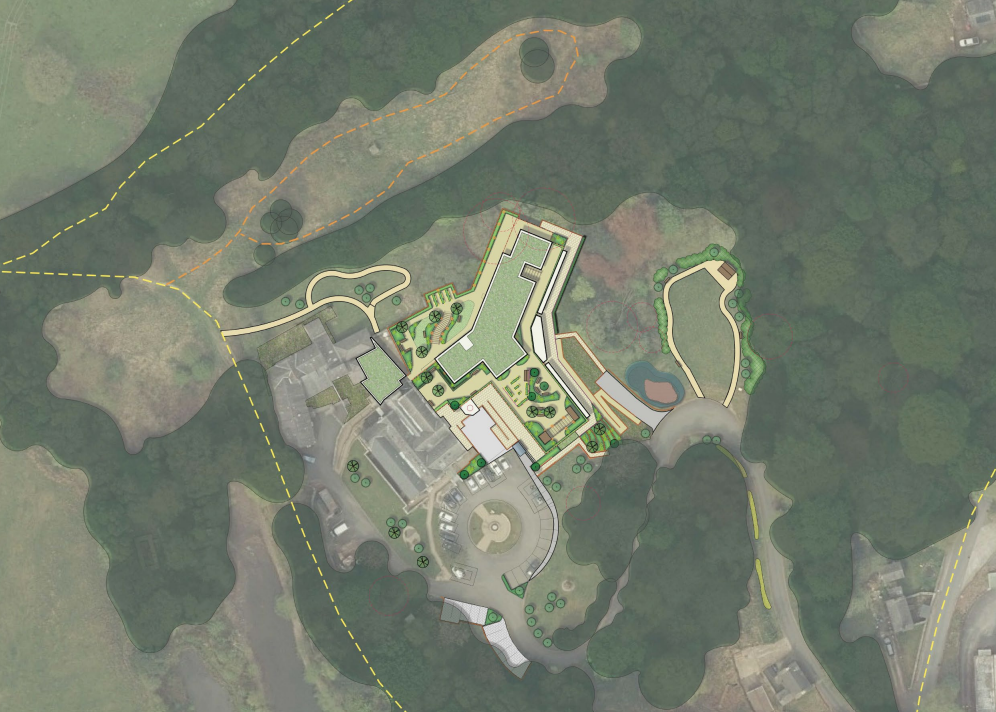
Landscape concept
Porritt Care Village is a pioneering dementia care development located within the wooded grounds of the existing Lavender Hills Care Home on the western side of the Irwell Valley, near Ramsbottom, Lancashire. Set within approximately 12 acres of mature landscape, the project seeks to create a therapeutic environment where people living with dementia can thrive through meaningful engagement with nature, community, and everyday life.
The landscape strategy was developed as part of a complex Green Belt planning submission, with a clear ambition to establish a unique model of care centred on wellbeing, independence, and non-pharmacological therapeutic interventions. Rather than treating the landscape as a setting for the development, the design places nature at the heart of the care experience, recognising the proven benefits that access to outdoor environments can have on cognitive health, physical activity, and emotional wellbeing.
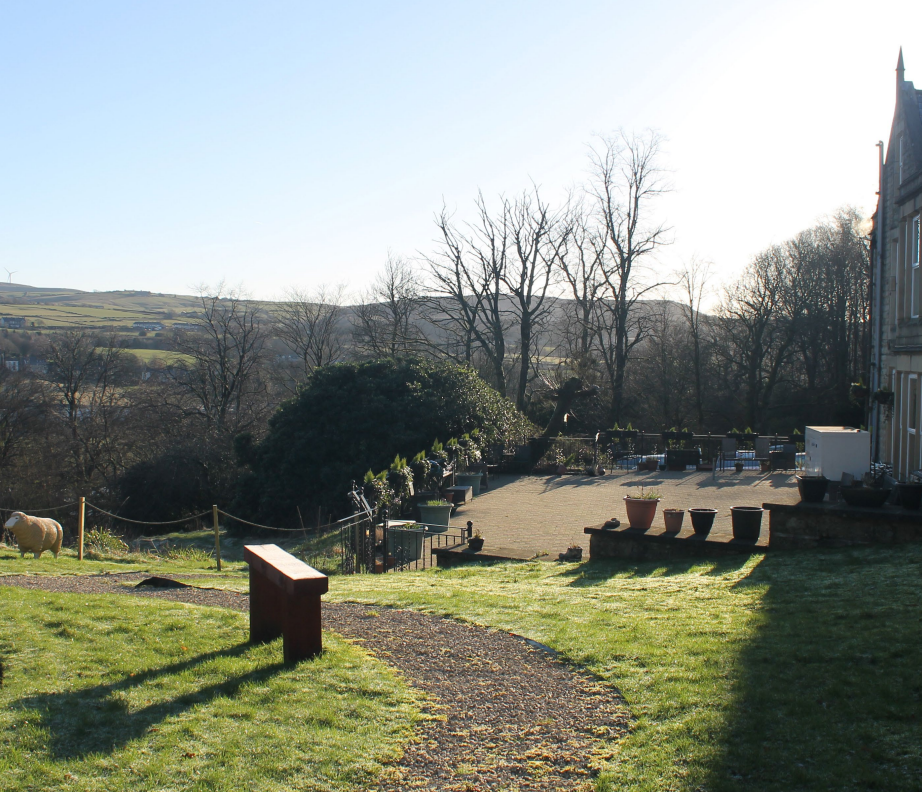
A key driver of the design was the site’s exceptional landscape context. The existing care home, known historically as Porritt House, sits within mature woodland overlooking the Irwell Valley, with expansive views towards Scout Moor and the surrounding upland landscape. These views informed the spatial organisation of the scheme, ensuring that residents are provided with frequent opportunities to connect with the wider landscape and experience changing seasons, weather patterns, and natural rhythms.
The design adopts a household model of care, creating smaller, more familiar living environments supported by a rich network of outdoor spaces. Landscape interventions are carefully integrated into the architecture and surrounding grounds to encourage movement, social interaction, and sensory engagement while maintaining a safe and accessible environment for residents.
Landscape Strategy
A fundamental objective of the project was to respect and enhance the site’s existing landscape character. The mature woodland surrounding the care home is one of its defining features and has been retained wherever possible. Existing trees and woodland habitats are enhanced through understorey planting, woodland management, and a commitment to replacing any unavoidable tree losses at a minimum ratio of 2:1 using native species.
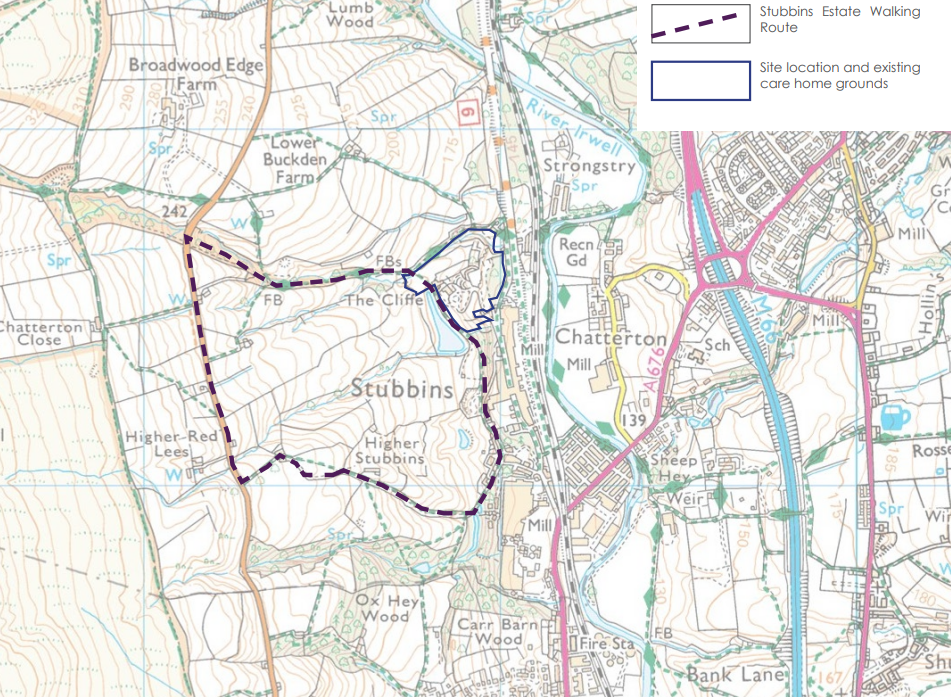
The landscape framework provides a hierarchy of outdoor experiences, ranging from intimate therapeutic gardens to wider recreational routes connecting into the surrounding countryside. A new accessible woodland walk winds through the eastern part of the site, allowing residents and visitors to immerse themselves in nature while remaining within a safe and familiar setting. Seating areas, sheltered resting points, and enhanced woodland planting create opportunities for reflection, conversation, and quiet observation.
At the centre of the development, rooftop gardens extend the landscape vertically and provide valuable outdoor space for residents with varying mobility levels. Designed as intergenerational social environments, these terraces create opportunities for residents, families, and visitors of all ages to connect. Dedicated horticultural therapy areas include raised planting beds and accessible gardening spaces, allowing residents to continue meaningful activities and maintain a connection with the act of growing plants and food.
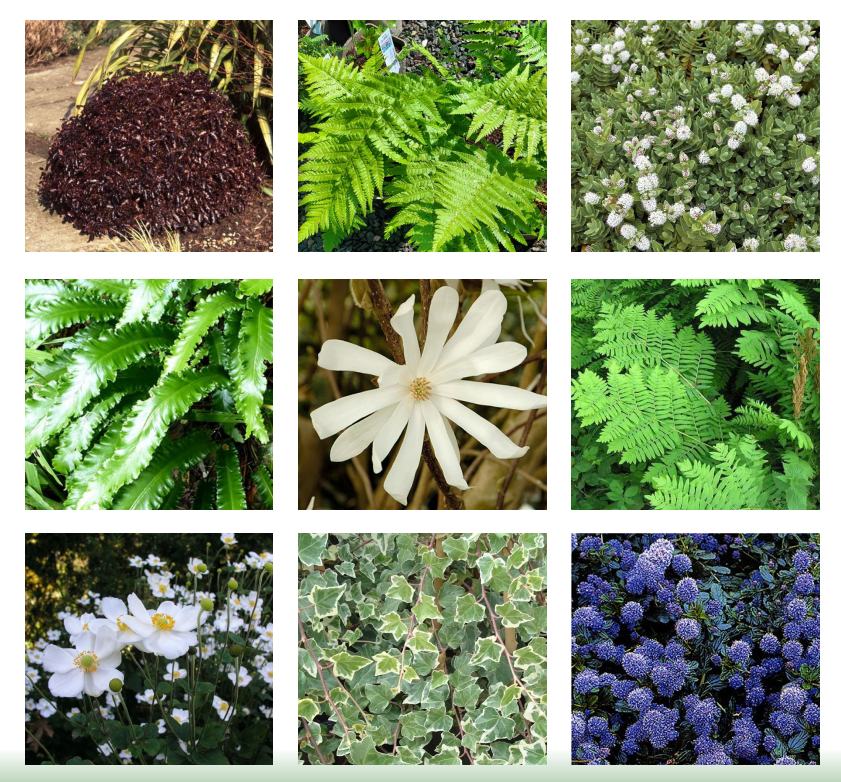
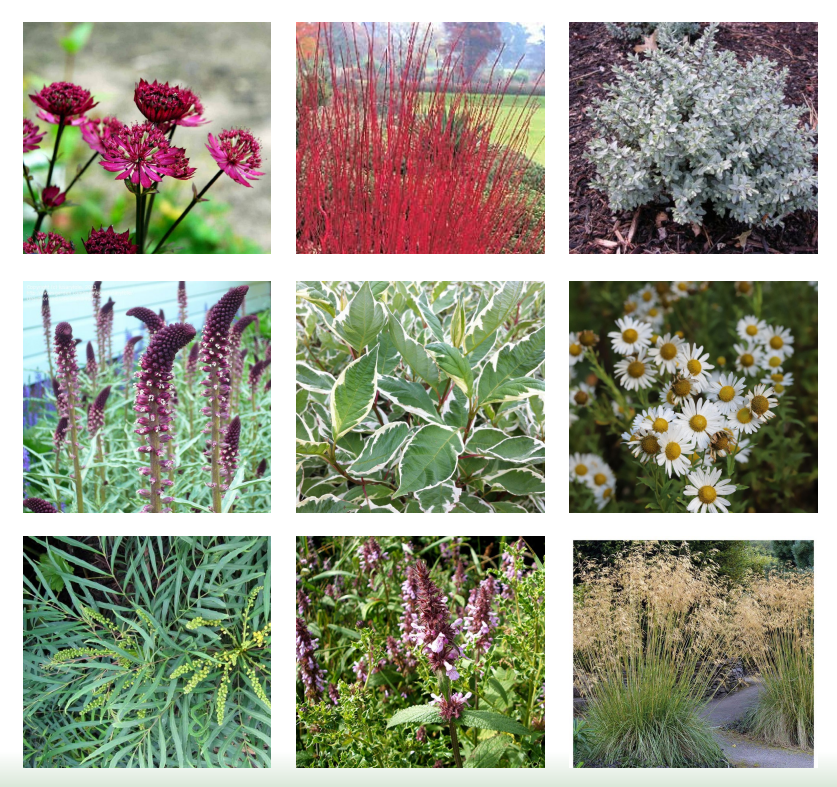
The roof terraces also incorporate sensory walkways featuring fragrant, tactile, and seasonally dynamic planting designed to stimulate memory and encourage exploration. Bird-watching shelters and viewing spaces are positioned to take advantage of the site’s wooded setting and panoramic views towards Scout Moor, while also providing opportunities for stargazing and quiet contemplation.
A central courtyard further reinforces the therapeutic landscape approach, incorporating seating areas, sensory planting, pergola-covered walkways, and community gardening spaces. Together, these spaces create a rich sequence of experiences that support both social interaction and individual wellbeing.
Sustainability and Biodiversity
Environmental enhancement forms a core component of the landscape strategy. Sustainable drainage features, including a new pond and interconnected swales, are integrated into the arrival experience and designed as attractive ecological assets. These features manage surface water while creating valuable wetland habitat and seasonal visual interest.
Biodiversity gains are delivered through extensive native tree planting, species-rich grassland, sensory planting, hedgerows, and green roofs. The green roof strategy not only increases habitat provision but also helps the development integrate visually into the wider landscape when viewed from across the valley.
Through a careful balance of care, ecology, accessibility, and landscape character, Porritt Care Village demonstrates how landscape architecture can play a central role in creating restorative environments. The project establishes a model where nature is not simply viewed from a window but becomes an integral part of daily life, supporting dignity, independence, and wellbeing for residents living with dementia.